Falling asleep is not something you can force; trying harder usually keeps you awake. What helps is setting things up so sleep can come by itself. These habits are simple and widely recommended, and none of them costs anything.
1. Wake up at the same time every day
A steady wake-up time, weekends included, sets your body clock. After a week or two you start feeling sleepy at about the same time each night.
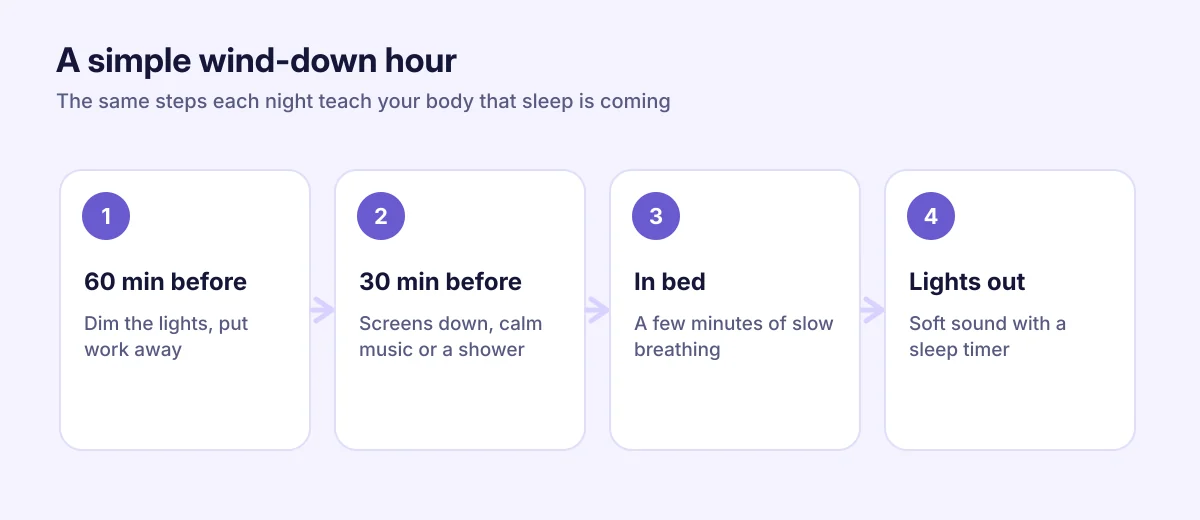
2. Give yourself a wind-down hour
Your brain needs a signal that the day is over. Do the same calm steps each night: dim the lights, put work away, then something relaxing.
3. Keep the room cool, dark and quiet
A slightly cool room is often suggested, around 18 °C (65 °F). Block light with curtains or an eye mask, and cover noise you can't control (see habit 7).
4. Put the phone down early
Bright screens and endless feeds keep your mind busy. If you listen to something in bed, start it, set a sleep timer and put the phone face down out of reach.
5. Watch caffeine and alcohol
Caffeine can stay in your body for many hours, so keep coffee and strong tea to the morning. Alcohol may make you drowsy, but it tends to break up sleep later in the night.
6. Slow your breathing
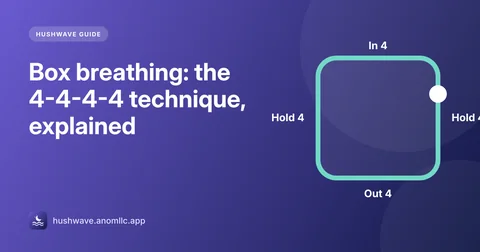
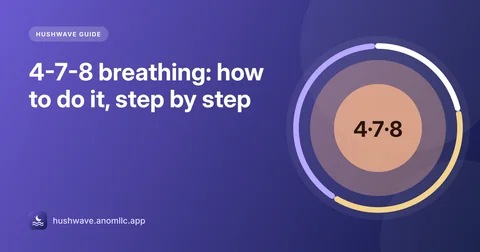
A few minutes of slow breathing calms the body. Try 4-7-8 breathing in bed, or box breathing if you prefer an even rhythm.
7. Use a steady sound to cover noise
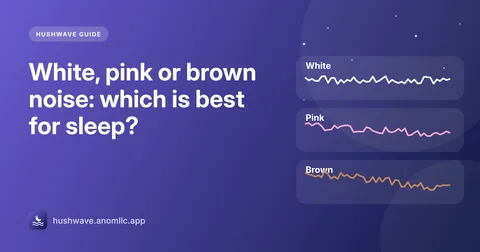
Sudden sounds wake you; steady sound hides them. Rain, ocean, a fan or white, pink or brown noise all work. Keep the volume low.
8. Stop checking the clock
Watching the minutes go by makes it harder to relax. Turn the clock away.
9. If you can't sleep, get up for a while
If you have been awake for a long time (about 20 minutes), get up and do something quiet in dim light, like reading a paper book. Go back to bed when you feel sleepy. This keeps your bed linked with sleep rather than with lying awake.
10. Keep naps short and early
A short nap (20 to 30 minutes) before mid-afternoon is fine for most people. Long or late naps make it harder to fall asleep at night.
Doing it with Hushwave
- On the Today tab, tap Sleep now: tonight's music starts with rain and a sleep timer.
- In the Sleep tab, play any track, then tap Sounds in the player to add rain, ocean or brown noise.
- Tap Timer to stop after 30, 45 or 60 minutes. With Fade out at the end on, the sound fades over the last minute.
- On the Breathe tab, try 4-7-8 breathing for three minutes before you turn off the light.
A new sleep track arrives every evening, and it's free on its first night.